
Norway's Success Story 🛢️📈

If you were to reflect on the most important discovery that changed the face of our civilisation over the last 200 years, Oil would be high on the list. The sticky black substance that formed from the remains of dead animals and plants over millions of years can be found deep underground or beneath the oceans.
It’s hard to understate the pivotal role it played in revolutionizing industries, economies, and global politics over the 20th Century. Countries that discovered Black Gold within their territorial borders suddently found themselves awash with more cash than they could have ever dreamed of.
In 1969, after the discovery of one of the largest offshore oilfields in the world off its coast, Norway was one such country. The discovery and subsequent development of Norway’s Oil industry immediately led to government discussions on how to best utilise their new-found wealth to ensure the continued success for the state and its citizens should oil prices drop or the wells run dry and its economy falters.
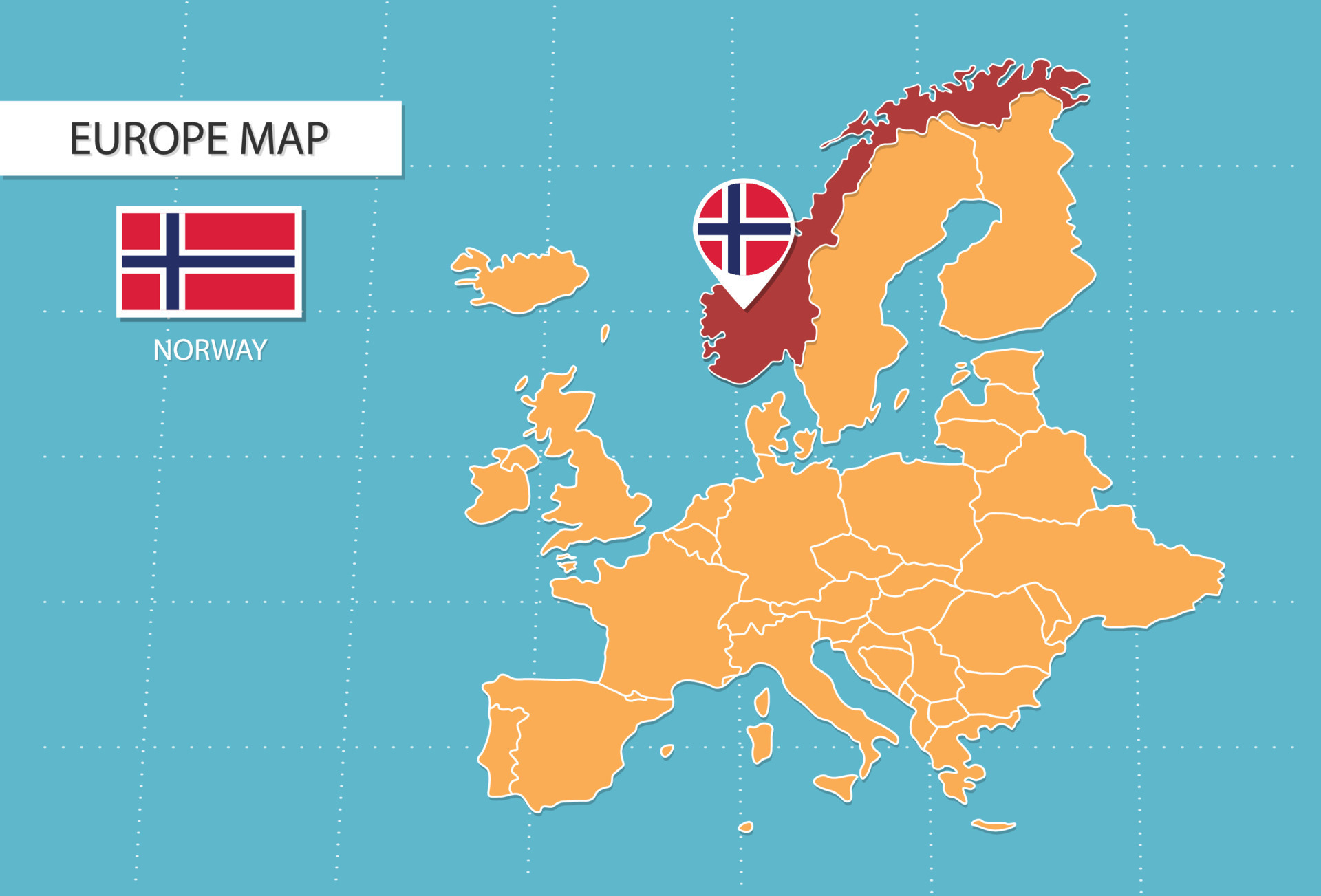
Eventually, Norway’s Sovereign Wealth Fund was set up in 1990 to funnel the extra cash into alternative long term investments that would allow it to diversify its wealth whilst retaining the ability to draw down on it when required.
As the below chart shows, this is often labelled in investing circles as one of the “best financial decisions of all time”, as the market valuation of the funds investments have grown from $23 billion in 1998 to over $1.4 trillion at the end of 2022.
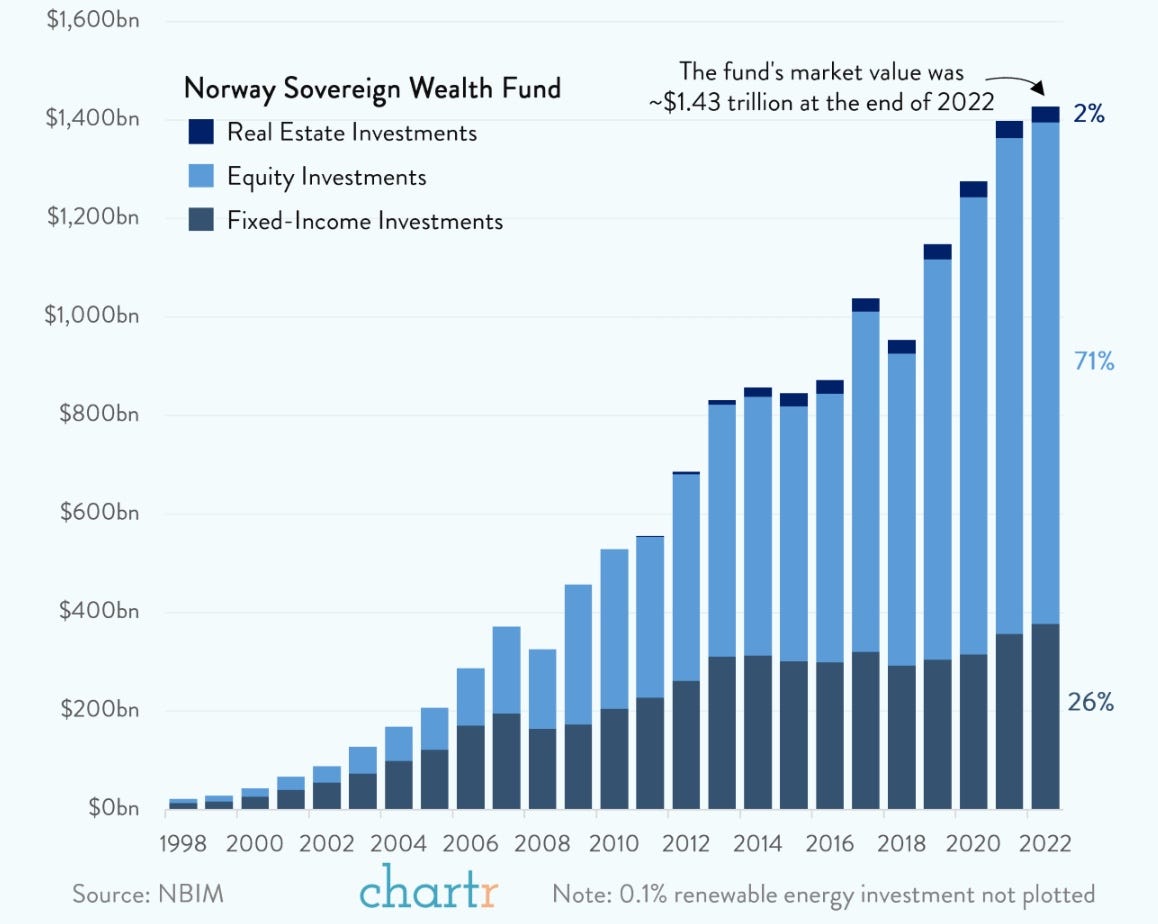
The fund has grown a further $200 billion in 2023 and now sits at a market value of $1.6 trillion, making it the largest Sovereign Wealth Fund in the world.
To put things into perspective, the fund is 33% larger than China’s, the next largest sovereign fund, and more than double or quadruple the size of most of the other oil-rich countries in the Middle East.
More astounding still is that Norway, with just 0.07% of the world’s population, owns more than 1.5% of the global stock market with investments in over 9,000 companies in over 70 countries.
A key focus of the fund was the ability to draw down from the fund when required. As over 70% of the funds investments is in equities, these can be sold at market value on the stock market at any time, thereby demonstrating the liquidity of the fund.
The Bottom Line
Norway got in the game early and diversified its oil revenues and the decision has played a strong role in helping it to become one of the most developed (ranking only behind Switzerland) and prosperous nations in the world, with the fund being worth almost $300k per citizen at the time of writing.
The fund’s success highlights the importance of a disciplined, long-term investing strategy for financial stability alongside demonstrating the importance of diversification by ensuring you don’t keep all your eggs in one basket.
Funnily enough, it’s not difficult for the average person to replicate a similar strategy in their own lives and benefit from the miracle of compounding returns.
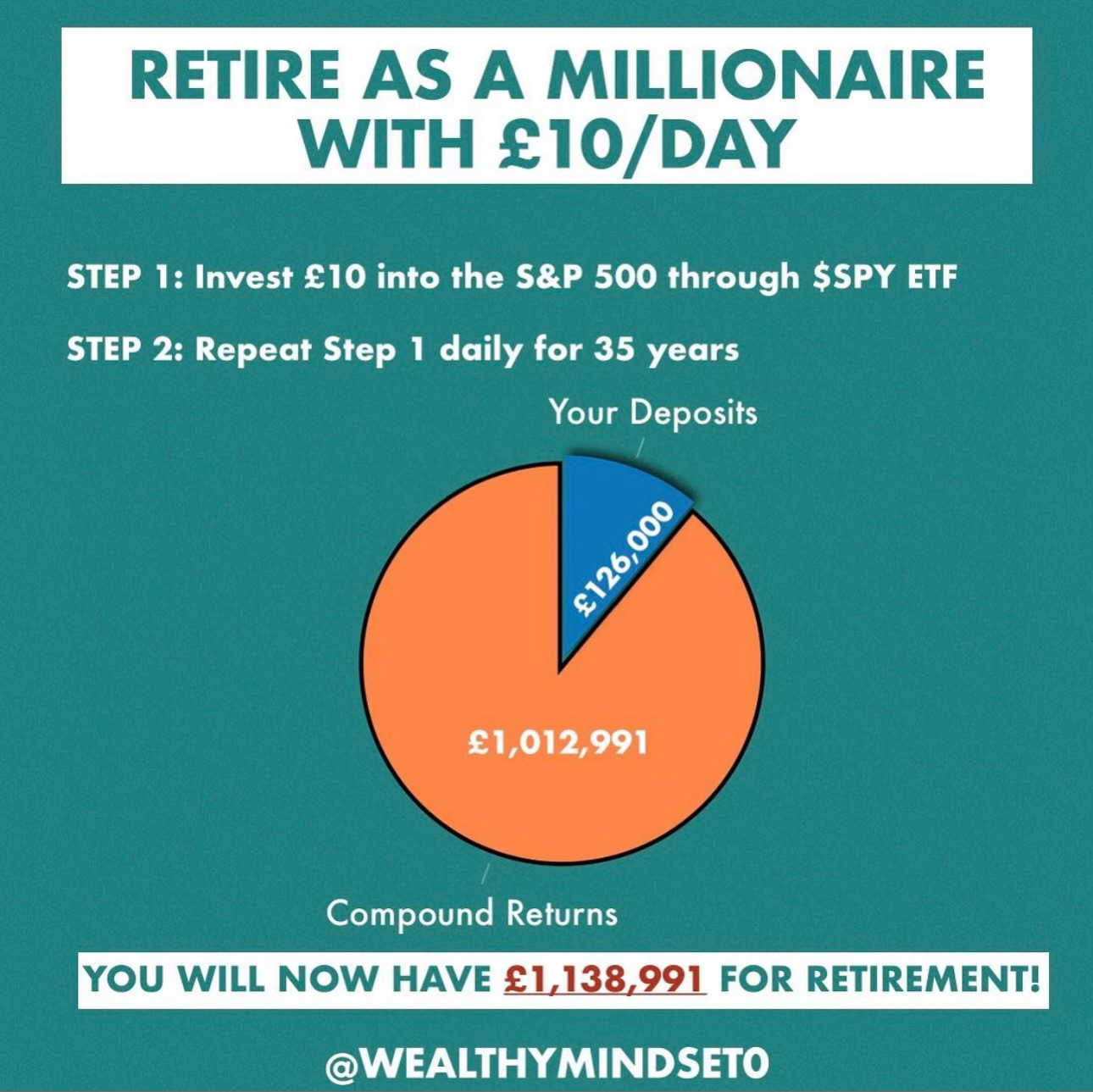
As the below infographic shows, because the stock market grows at an average of 10% per year, Investing just £10 a day or £300 a month into an ETF that tracks the S&P500, will grow into over £1.1m in 35 years.
Now ask yourself a similar question. If you suddenly found yourself with more cash, what would you do?
Go out and splurge it on the watch, bag or car that you’ve wanted or set some aside to start building a route towards financial freedom? The choice is only yours to make.